

• Skip to main content
  • Skip to primary sidebar
  • Skip to footer

Pacific Medical Law

A founding member of BILA

Law, Justice And Compassion | Call Today

1-604-685-2361

  • Home
  • Team
  • Injuries
    • Birth Injury
    • Brain Injury
    • Cerebral Palsy
    • Infant & Child Injuries
    • Spinal Cord Injuries
  • Janna Epp Bursary
  • Cases Won
  • Publications
  • Blog
  • Patient’s Corner
  • In The News
  • Contact
  • Home
  • Team
  • Injuries
    • Birth Injury
    • Brain Injury
    • Cerebral Palsy
    • Infant & Child Injuries
    • Spinal Cord Injuries
  • Janna Epp Bursary
  • Cases Won
  • Publications
  • Blog
  • Patient’s Corner
  • In The News
  • Contact
Call
Contact
Blog

People with Disabilities

Stroke and Depression – What Patients and Caregivers Should Know

Thursday, June 17, 2021 By Andrea Donaldson

Photo by Kristina Tripkovic on Unsplash

A stroke is a medical condition which occurs when blood stops flowing to part of the brain, damaging brain cells. The effects of stroke depend on the part of brain that was damaged and the amount of damage done. If identified and treated promptly, a stroke can often have only mild consequences. However, people who have debilitating strokes can experience physical, cognitive and speech deficits.

Many patients who have suffered a stroke experience post stroke depression, or PSD, which affects about 1/3 of stroke survivors and can occur any time following a stroke. People with PSD are at higher risk for suboptimal recovery, recurrent strokes, poor quality of life, and mortality. PSD also may make the rehabilitation process more difficult for survivors to do the hard work that is required.

PSD is likely caused by a combination of biological and psychosocial factors, but the pathophysiology is complex. Some studies have found that PSD may have an underlying biological cause, with proposed biological factors including lesion location, genetic susceptibility, and inflammation. Other studies have revealed an association between PSD and physical and cognitive deficits, suggesting that PSD may be a psychological reaction to these deficits. More research is needed to better understand the cause of PSD with an aim to develop targeted interventions for prevention and treatment.

Emotional signs of PSD can include:

  • Feeling sad, anxious, nervous, guilty, irritable, or hopeless
  • No longer being interested in things you used to enjoy
  • Difficulty focussing, remembering, or making decisions
  • Constant thoughts of death

Physical signs of PSD can include:

  • Changes in sleep pattern (sleeping less or sleeping more than normal)
  • Changes in appetite
  • Weight gain or loss
  • Feeling tired, loss of energy
  • Restlessness
  • Persistent headaches
  • Chronic pain
  • Digestive problems (stomach aches, nausea, constipation, diarrhea)

You should contact your doctor if you have any of these symptoms for more than two weeks so that you can get treatment. Treatment can involve therapy by speaking to a trained mental health professional, taking medication, or both.

As difficult as it may be, sharing your feelings is a step toward meeting your recovery goals. This can include speaking to family, friends, or other stroke survivors or members of your healthcare team. You may also wish to join or start a support group. However, if any of your feelings become overwhelming, talk with your doctor right away.

If you or a loved one has suffered a stroke which you believe may be due to medical negligence, contact Pacific Medical Law. We have extensive experience in stroke cases and are committed to helping those who have suffered a stroke or other brain injury maximize their recovery.
Filed Under: Accessibility, Adult Injuries, Medical Malpractice, People with Disabilities

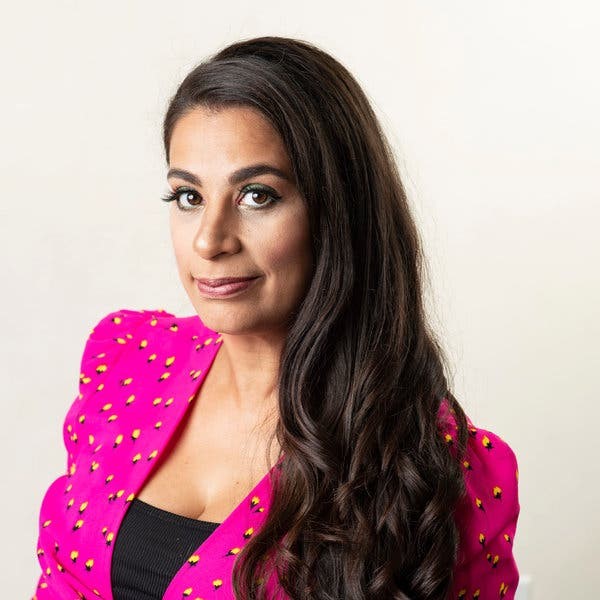
Maysoon Zayid doesn’t believe in “can’t”

Thursday, August 13, 2020 By Admin


Image by Karsten Moran for The New York Times

Maysoon Zayid is a comedian, actress, writer, tap dancer, and disability advocate. She also happens to have cerebral palsy.

When Maysoon suffered a brain injury during birth, her parents were told that there were things she would never do, including walk. But they didn’t believe in “can’t”. Maysoon’s father taught her to walk at age five, and she’s not only been walking, but performing, ever since.

Her parents could not afford to send her to physical therapy so instead, she went to performance classes, and after a happy childhood in New Jersey, she went on to Arizona State University on an academic scholarship, majoring in theatre. However, after a discouraging experience in an acting class where she lost the role of a woman with cerebral palsy in favour of a nondisabled classmate, she began to notice the under-representation of people with visible disabilities in Hollywood. And if they were represented, they were largely portrayed by non-visibly disabled actors. People with disabilities make up 20% of the American population, but only 2% of those seen on American television; 95% of which are played by non-disabled actors.

Shifting gears to comedy, an industry she considers more accepting, Maysoon excelled. She is the first comedian to perform in Palestine and Jordan and the co-founder of the New York Arab-American Comedy Festival. She now travels all over the world performing stand-up comedy. What Maysoon calls her “big break” came in 2010 when she was asked to appear on the political news television program, Countdown with Keith Olberman. An exciting career milestone turned into a shocking lessen in internet trolls when she was confronted by hateful comments left online underneath the clip of her on the show. Maysoon says she never experienced bullying about her disability until entering the public eye on television. The experience inspired her to advocate for people with disabilities and champion better representation in entertainment.

Not only did she go on to become a regular contributor on Countdown with Keith Olberman, but her many successes since include a TedTalk with almost 11 million views and the founding of a charity called Maysoon’s Kids, which provided resources, programs and scholarships to orphaned and disabled children in Palestine.

To those who come to her for advice, she tells them this: “Don’t let your physical body or the treatment of others define you. Only you get to define you. Create the person you want to be and be that person.”

At Pacific Medical Law, we are committed to helping children living with cerebral palsy reach their full potential. We are here to help. Call us for a free consultation – we can provide information about community resources and supports as well as legal advice regarding your child’s rights for financial compensation. 

Filed Under: Cerebral Palsy, Cerebral Palsy Association of BC, People with Disabilities

Steph Hammerman – Motivating by Example

Wednesday, May 13, 2020 By Andrea Donaldson

Steph Hammerman has had cerebral palsy since birth. Her doctors thought she may never walk, talk, read or write, but Steph has not only accomplished those goals, but she has become the world’s first Level 2 CrossFit trainer with cerebral palsy.

Steph’s athletic background was as a competitive hand cycler. When she got bored with the training, a friend suggested CrossFit. She did her first workout in 2012, and was instantly hooked. The next year, she decided she wanted to become a coach, and took her certification course, becoming the world’s first woman with cerebral palsy to become a CrossFit trainer.

In 2016, Steph received life-changing news: she was diagnosed with Stage 3 Hodgkin’s Lymphoma. She put all of her training plans on hold and had to fight for her life. After 6 months of treatment, she was in remission. “Now I had the task of answering a pretty serious question: What next?” Steph said.

She knew the positive impact fitness has had on her life and wanted to open a space where people could be themselves, feel great, and have fun doing it. She opened up her own gym – Hammer Driven Fitness – in 2018.

In addition to being a CrossFit trainer and gym owner, Steph is also Nike’s first sponsored adaptive training athlete. This came about somewhat by accident, however – because her cerebral palsy causes Steph to drag her feet when she walks, she wears out shoes quickly. She saw a new design of trainers that Nike was advertising, so she reached out to the company and asked if she could try a pair to see how they compared to all the other shoes she had gone through. She found that the Nike shoes lasted months longer than her previous shoes, and called the company to thank them and give them her feedback. In response, Nike said they wanted to sign her as an athlete. “From the very beginning, everyone at Nike treated me as an elite athlete.”

Steph says the best thing about being a coach and gym owner is fostering a community that she is proud of. “Our mission is to educate, motivate, and improve, but also to create a community that many have never experienced before,” she says. “Our community is full of people of different ages, sizes, and abilities. But, regardless of your level of experience, you are treated like the athlete and person you are.”

Although Steph and Hammer Driven Fitness are located in North Carolina, she is offering classes over Zoom during the Covid-19 pandemic. More information can be found on her website: hammerdrivenfitness.com

Filed Under: Health News, People with Disabilities

Adaptive Fitness Classes Move Online

Friday, April 24, 2020 By Andrea Donaldson

Many fitness facilities that offer training programs for people with disabilities have been forced to close because of the pandemic. This, combined with the fact that the support workers of people with disabilities may no longer be able to provide respite care due to the restrictions around the virus, has increased isolation issues for an already vulnerable group. Some adaptive fitness programs, however, are taking their classes online to try to alleviate isolation for people with disabilities during the pandemic.

The Active Souls Project in Kitchener, Ontario, is the largest adaptive training facility in the province. It was forced to close its doors in March due to the pandemic, but owner, founder and coach, Sascha King, has been working around the clock to keep her members moving and connected since then. She has been doing no-contact drop offs of gym equipment such as exercise mats, weights, and skipping ropes at no charge so members can still exercise at home. She also offers virtual training sessions to her members, which offer much needed interaction and socialization.

“They’re so used to seeing us every day or every week, their routines are so set in stone that their worlds are turned upside down right now,” King said of her members. “We’ve had to constantly reassure our kids and our adults with exceptional needs and adaptive needs that we haven’t left them.”

Similar virtual training is being offered here in British Columbia. The Cerebral Palsy Association of BC is now offering virtual adapted yoga, and dance without limits, with classes being held through Zoom.

Move Adapted Fitness in Victoria is offering customized exercise programs, video conferencing, and support from athletic therapists and kinesiologists.

Many other facilities, such as the YMCA, have created workout videos that can be followed at home, and many gyms and training facilities are loaning equipment out to members.

It may be worth giving your local facility a call to see what is being offered that can help you maintain your exercise and rehabilitation routine. While many programs are no longer able to proceed in person, many facilities are finding creative solutions to keep people fit, healthy and connected during this time of social distancing.

Filed Under: People with Disabilities, Cerebral Palsy Association of BC, Health News

People with Disabilities Among Those Most at Risk from Covid-19

Wednesday, April 22, 2020 By Andrea Donaldson

Public health and government officials are urging Canadians to practice social distancing. For some, social distancing could make the difference between life and death.

Andrew Gurza, a Toronto-based disability awareness consultant, has cerebral palsy. His condition could make him seriously vulnerable if he were to contract COVID-19. In an interview with CBC, Gurza, who uses a wheelchair for mobility, said that his lung function is impacted due to the fact that he is sitting down all the time. This makes him more vulnerable to complications from respiratory illnesses, such as COVID-19. Gurza indicated that in addition to the toll of the illness, he fears catching the illness at a time when the hospital staff is overwhelmed, especially if they need to manage someone with complex disability needs such as himself.

Gurza has taken steps to reduced risk and practicing social distancing as much as possible. He has cancelled all of his speaking engagements, and he is doing his best to reduce contact with his caregivers, who he relies on for many daily activities such as bathing and dressing.

Gurza asks the public to please be responsible. You never know if the person sitting next to you is vulnerable due to a visible or invisible disability. While contracting the virus may not be serious for one individual, it could have dire ramifications for someone else. He urges the government to let the public know who is going to be particularly affected: the elderly, the disabled, and the immunocompromised.

Staying positive at this time is important to Gurza. He suggests thinking of social distancing as a chance to take a break, and do things we may otherwise not have time for.

The goal of social distancing is to reduce transmission of the virus. It is transmitted when an infected person speaks, coughs, or sneezes. Droplets may land on surfaces in common spaces when someone coughs, and then be transmitted when someone touches the surface later.

Social distancing may be difficult or even impossible for some people with disabilities who may rely on close caregiver support for daily living tasks such as washing and dressing, and use shared services, such as public transportation. They also may have stamina and immune issues which can increase risk of catching the virus. Therefore, it is important for those who are able to reduce their contact with others to do so, in order to protect the vulnerable.

The full interview with Gurza as well as an interview with a public health expert can be found here: https://www.cbc.ca/radio/frontburner/when-social-distancing-is-a-matter-of-life-and-death-1.5499767

Filed Under: Cerebral Palsy, Health News, People with Disabilities

« Previous Page
Next Page »

Primary Sidebar

  • Birth Injury
  • Brain Injury
  • Cerebral Palsy
  • Infant & Child Injuries
  • Spinal Cord Injuries
  • Janna Epp Bursary

Categories

  • Accessibility (24)
  • Adult Injuries (25)
  • Cerebral Palsy (62)
  • Cerebral Palsy Association of BC (26)
  • Community Involvement (31)
  • Firm News (55)
  • Health News (67)
  • Legal News (25)
  • Medical Malpractice (34)
  • People with Disabilities (29)
  • The Verdict – Law Journal (33)
  • Understanding Birth Injuries (1)

Archives

  • September 2025 (1)
  • May 2025 (1)
  • March 2025 (1)
  • November 2024 (1)
  • August 2024 (1)
  • May 2024 (2)
  • November 2023 (1)
  • September 2023 (1)
  • June 2023 (1)
  • March 2023 (1)
  • December 2022 (1)
  • September 2022 (3)
  • January 2022 (2)
  • November 2021 (1)
  • October 2021 (1)
  • August 2021 (1)
  • July 2021 (2)
  • June 2021 (4)
  • April 2021 (2)
  • March 2021 (2)
  • February 2021 (3)
  • December 2020 (1)
  • September 2020 (4)
  • August 2020 (4)
  • June 2020 (1)
  • May 2020 (2)
  • April 2020 (5)
  • March 2020 (1)
  • February 2020 (3)
  • January 2020 (4)
  • December 2019 (3)
  • October 2019 (3)
  • September 2019 (1)
  • August 2019 (3)
  • July 2019 (1)
  • June 2019 (3)
  • May 2019 (2)
  • March 2019 (2)
  • February 2019 (2)
  • January 2019 (5)
  • December 2018 (3)
  • November 2018 (3)
  • October 2018 (4)
  • September 2018 (2)
  • August 2018 (8)
  • July 2018 (8)
  • June 2018 (1)
  • April 2018 (24)
  • March 2018 (1)
  • February 2018 (4)
  • January 2018 (2)
  • July 2017 (1)
  • June 2017 (1)
  • May 2017 (1)
  • April 2017 (1)
  • March 2017 (2)
  • December 2016 (1)
  • September 2016 (1)
  • July 2016 (1)
  • June 2016 (2)
  • May 2016 (4)
  • April 2016 (1)
  • March 2016 (4)
  • February 2016 (1)
  • January 2016 (1)
  • November 2015 (1)
  • September 2015 (1)
  • August 2015 (1)
  • July 2015 (1)
  • June 2015 (3)
  • March 2015 (1)
  • February 2015 (1)
  • January 2015 (1)
  • November 2014 (1)
  • May 2014 (2)
  • December 2013 (2)
  • November 2013 (1)
  • October 2013 (3)
  • September 2013 (5)
  • August 2013 (2)
  • July 2013 (1)
  • June 2013 (7)

Recent Posts

  • Digital Scribes, Legal Signatures: AI-Generated Records in Medical Malpractice
  • Caught on Camera: The Impact of Photo and Video Evidence in Surgical Negligence Cases
  • Defining the Standard of Care: When Will a Generalist be Held to a Standard Approaching that of a Specialist?
  • The Impact of Contemporaneous Medical Records on Credibility Disputes

How Can We Help You?

Contact Us

Footer

Our Office Location

Pacific Medical Law 1030 6th Avenue West Vancouver, BC V6H 1A3
Toll Free: 1-888-333-2361 Phone: 604-685-2361 Map & Directions

Copyright © 2023 Pacific Medical Law | Website managed by DataRoots